Empowering Cancer Patients: The Essential Guide to Treatment, Support, and Survivorship
Cancer can feel like a dark tunnel that stretches endlessly, filled with uncertainty and fear. However, hope glimmers not just at the end but along the way, particularly with the myriad of treatment methods and supportive services available today. Welcome to our exploration of essential insights on cancer treatments and support services, where we’ll demystify the complexities of this journey and illuminate paths towards healing and wellness. This is not just an oncology blog; it’s a lifeline packed with cancer information, transforming challenges into actionable strategies. Let’s dive in and uncover how knowledge empowers patients and caregivers alike!
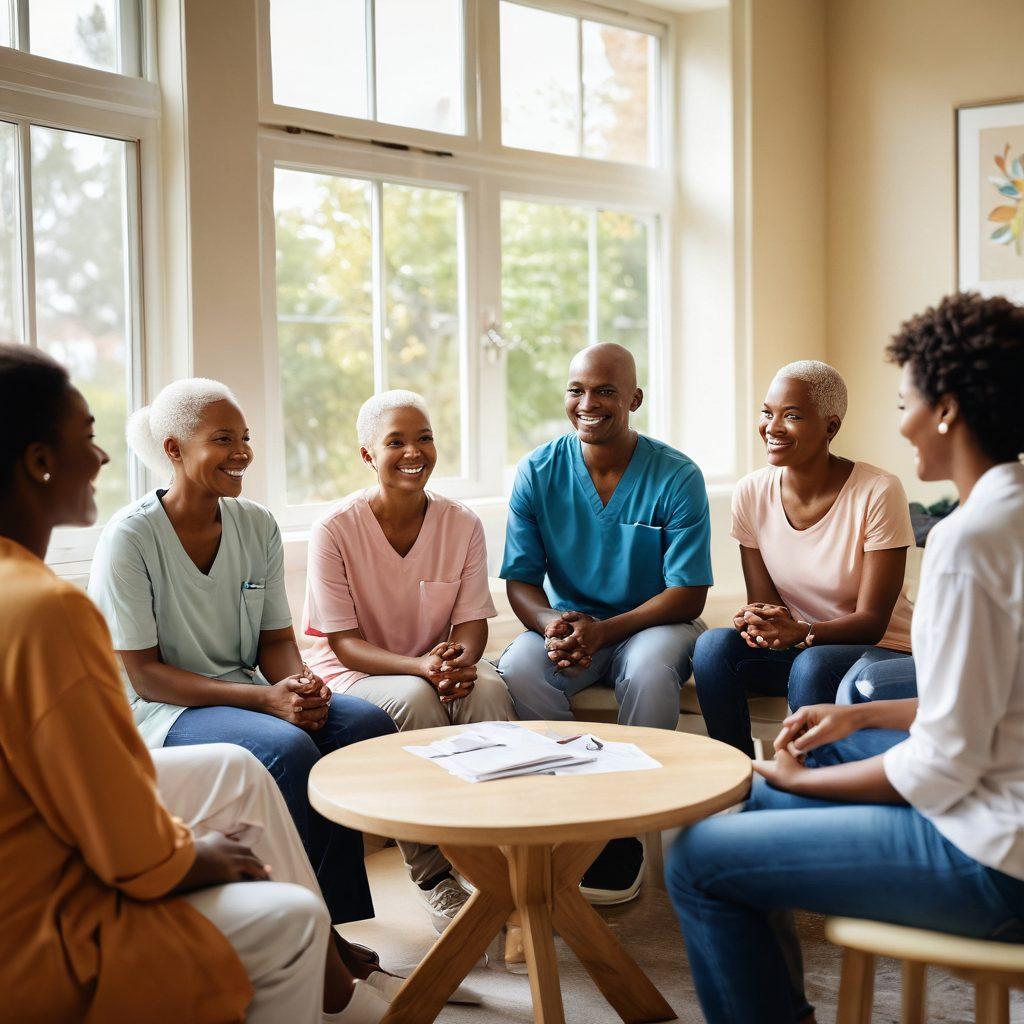
When faced with a cancer diagnosis, many people are bombarded with an avalanche of information. It's overwhelming, isn’t it? From cancer treatment advice to the latest cancer research updates, it’s easy to feel like you’re losing control. What if you could transform that chaos into clarity? One compelling strategy is to connect with cancer support groups. These groups provide more than just a community; they offer tools and resources, including patient education on various treatment methods and access to clinical trials for cancer. Sharing experiences and insights can be profoundly liberating, creating a sense of 'we're in this together.'
Let’s talk about those vital treatment methods. You might be curious about options like integrative cancer therapies, which are gaining traction in the medical community. Integrative approaches aim to treat the whole person—body, mind, and spirit—while clinical trials for cancer continue to push the boundaries of what's possible. Have you considered how lifestyle and cancer prevention techniques play a role in your treatment? It’s essential to understand the symptoms and signs of cancer early on to enlist the best treatment options. Embracing preventative health care doesn’t just empower you; it builds a resilient foundation for your recovery journey, enhancing your chances for long-term survivorship.
And speaking of survivorship programs, let’s not overlook how they serve as bridge support post-treatment. Survivorship isn’t just about surviving cancer; it also includes thriving afterward. Statistics show that nearly 17 million Americans are cancer survivors—a testament to the strength of patient support and the effectiveness of ongoing cancer awareness campaigns. Engaging with these programs can offer tailored resources that help navigate physical, emotional, and social challenges after treatment. How empowering would it be to walk into a new chapter of life equipped with confidence and clarity?
As we wrap this exploration, remember this: awareness is power. The more you know about cancer treatment, available support services, and ongoing oncology news, the better equipped you are to face this journey. Make use of cancer education resources, seek out local cancer support groups, and have courageous conversations with your healthcare provider. Every journey is unique; your voice matters in this story of healing. Stay proactive, stay informed, and most importantly—never lose hope. After all, the fight against cancer isn’t just about the battle; it’s about finding strength in community, knowledge, and support.
Navigating the Journey: Comprehensive Resources for Patients and Caregivers
Navigating the journey through cancer treatment can feel like traversing an uncharted territory. Imagine stepping into a world where every decision feels monumental, every symptom demands attention, and uncertainty lurks around every corner. This is the reality for countless cancer patients and their caregivers. But fear not—there’s hope and help on this journey with comprehensive resources available to guide you. In this blog post, we’ll explore vital oncology blog resources, including the latest cancer research updates, treatment methods, and patient support systems that can empower you to take charge of your health.
Have you ever felt lost while searching for reliable cancer information? You're not alone. Many patients and caregivers face this challenge. Finding quality cancer education resources can make all the difference. From blogs dedicated to cancer treatment advice to forums that connect you with seasoned survivors, the online world is filled with information ripe for exploration. Don’t hesitate to engage with health blogs that not only inform but also inspire resilience and strength—because knowledge is power in this journey. ‘What’s the next step?’ you might ask. The internet is your ally, so dive into those stories, statistics, and success tales.
As you navigate this journey, support groups can be invaluable. Cancer support groups create a sense of community where individuals share their struggles and triumphs. Connecting with others who are on the same path can foster a profound sense of belonging. Picture an evening where you’re surrounded by individuals who genuinely understand your experiences—the power of shared stories can offer solace in the face of uncertainty. Remember the words of Helen Keller: ‘Alone we can do so little; together we can do so much.’ Let this resonate as you seek out local or virtual support for your journey, and don’t hesitate to participate in cancer awareness campaigns that foster education and solidarity.
Knowing the symptoms and signs of cancer is crucial for early detection and effective treatment. An informed patient is an empowered patient. That’s why staying updated with oncology news is paramount for both patients and caregivers. Are you aware of the latest developments in clinical trials for cancer treatments? New breakthroughs in integrative cancer therapies are emerging every day, and understanding these advancements can help you advocate for yourself and your loved ones. Don’t hesitate to ask questions! Engaging with your healthcare team armed with the right cancer statistics analysis can lead to more informed decisions about your care. Dive deep into literature and seek out preventative health care recommendations that could enhance your overall well-being.
Finally, survivorship programs are essential in this journey. After treatment, cancer patients often face unique challenges that require ongoing support. Have you explored options for lifestyle and cancer prevention post-treatment? From nutritional guidance to physical rehabilitation, there are resources available to help you reclaim a sense of normalcy and vitality. Embrace this next chapter with confidence, knowing that many have walked this path before you. In the words of Maya Angelou, ‘You may encounter many defeats, but you must not be defeated.’ Carry this mindset as you embrace your survivorship and champion your health, armed with the resources and knowledge gained from this enlightening journey.
From Awareness to Survivorship: Empowering Strategies for Cancer Patients
When we think about cancer, the first emotions that come to mind are often fear and uncertainty. Yet, in today’s world, awareness is spreading like wildfire, igniting hope and courage among cancer patients and their families. Understanding the journey from awareness to survivorship requires more than just knowledge; it requires empowerment. This is exactly what this blog aims to provide—empowering strategies that every cancer patient can embrace. So, how do we transform a daunting diagnosis into a journey of hope and resilience?
Imagine waking up each day with a deep sense of purpose, even in the face of adversity. That’s the essence of embracing cancer awareness campaigns. These campaigns not only highlight early detection and prevention, but they also educate patients and caregivers on the myriad of treatment methods available. Are you aware that an informed patient is often more engaged and partnered in their treatment journey? This active participation can lead to life-saving decisions, bolstering the argument for thorough cancer patient education. Each piece of information you absorb serves as an empowering tool—just like a compass in a dense forest, guiding you through the fog of uncertainty.
On the journey of cancer survivorship, every individual has a unique story to tell. What resonates throughout these stories is the undeniable strength of community. Cancer support groups act like beacons of light, offering not only emotional healing but also practical resources, from healthcare advice to personal anecdotes. Engaging with others who understand your struggles can foster a sense of belonging, making the journey feel less isolating. Have you considered joining a caregiver support group? Together, both patients and caregivers can forge a resilient alliance, navigating the complexities of treatment while celebrating small victories.
Another powerful weapon in the fight against cancer lies in the burgeoning field of cancer research updates. With advancements in clinical trials for cancer emerging daily, patients now have access to cutting-edge integrative cancer therapies that once seemed like distant dreams. Wouldn’t it be incredible to know that your participation in a clinical trial could not only help you but also contribute to valuable cancer statistics analysis beneficial to future generations? This interconnectedness of treatment and research not only empowers individual patients but also uplifts the collective fight against cancer, making survivors of today the groundbreaking pioneers of tomorrow.
As we navigate through the spectrum of cancer and survivorship, let’s not underestimate the importance of lifestyle and cancer prevention strategies. Simple yet effective changes—like embracing preventative health care practices—can boost overall wellness and quality of life. What if cultivating a healthier lifestyle could stack the odds in your favor against cancer recurrence? Focus on your nutrition, engage in physical activity that you enjoy, and practice mindfulness—integrating these actionable steps into your routine is possible, and they can greatly enhance your resilience against cancer. Remember, survivorship is a journey—a mosaic of experiences that demand attention and care. Embrace your journey, seek information, connect with others, and empower yourself with knowledge. After all, your story is unfolding, and it’s absolutely worth telling.